Grounds Maintenance
Fertilizers, herbicides, seed, and field marking for parks crews, athletic field managers, and grounds departments. Programs that hold up across a full northern season.
More results...
Subcategories
Flumigard SC
VERSA Striping Machine
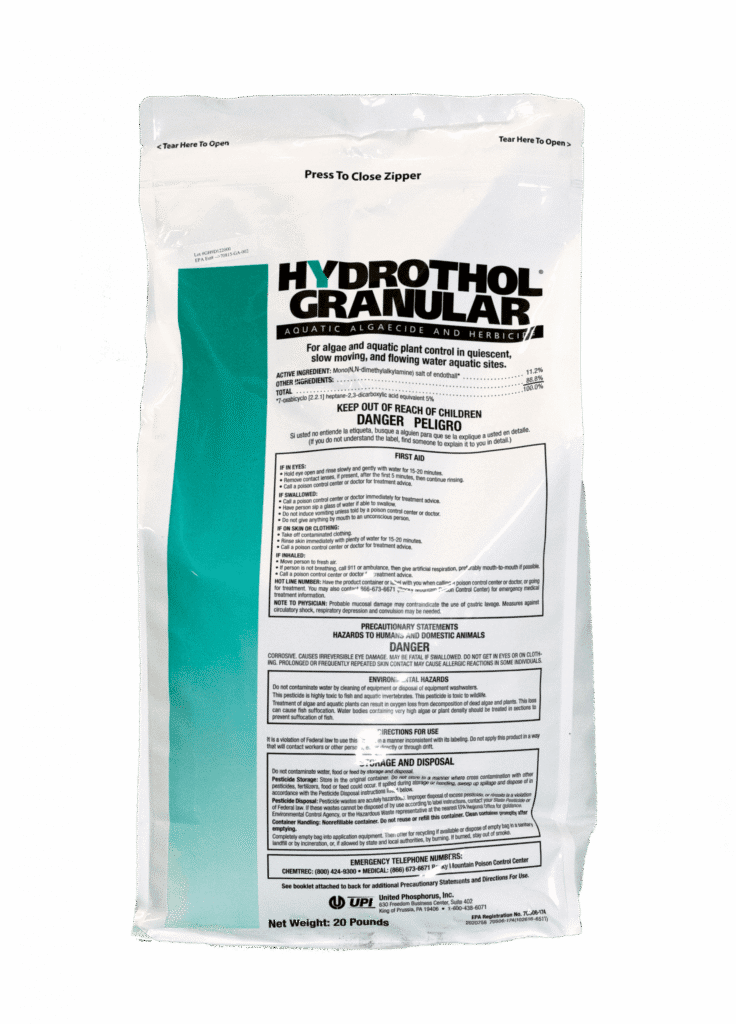
Hydrothol Granular
Athletic Marking Paint
Hydrothol Liquid
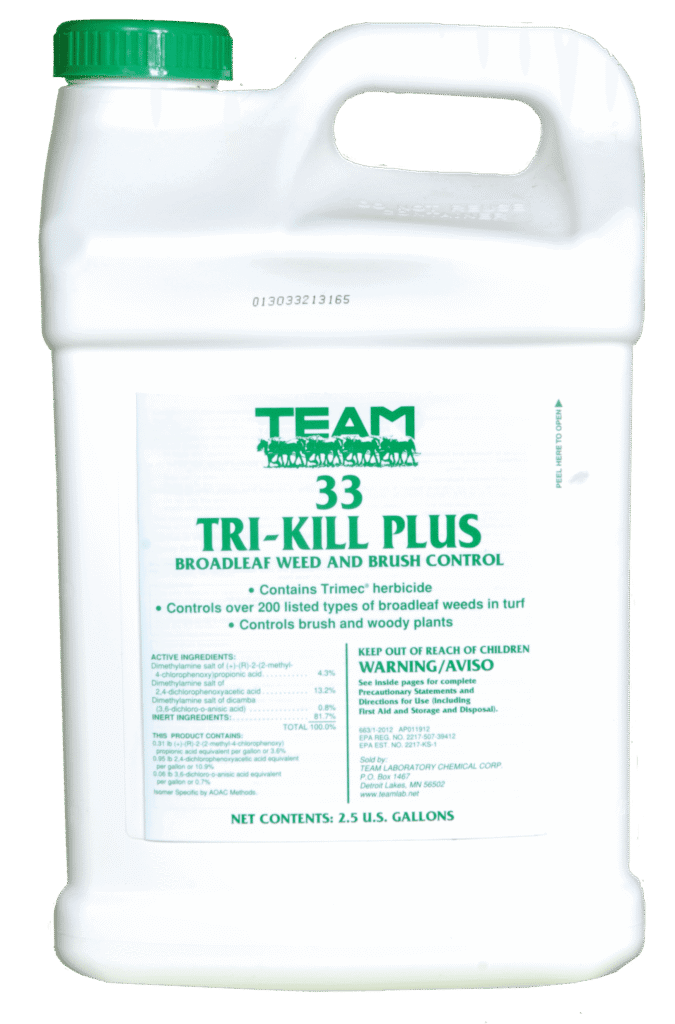
T33 • Tri-Kill Plus
T40 • Boost Phosphorus Enhanced
Triple Threat
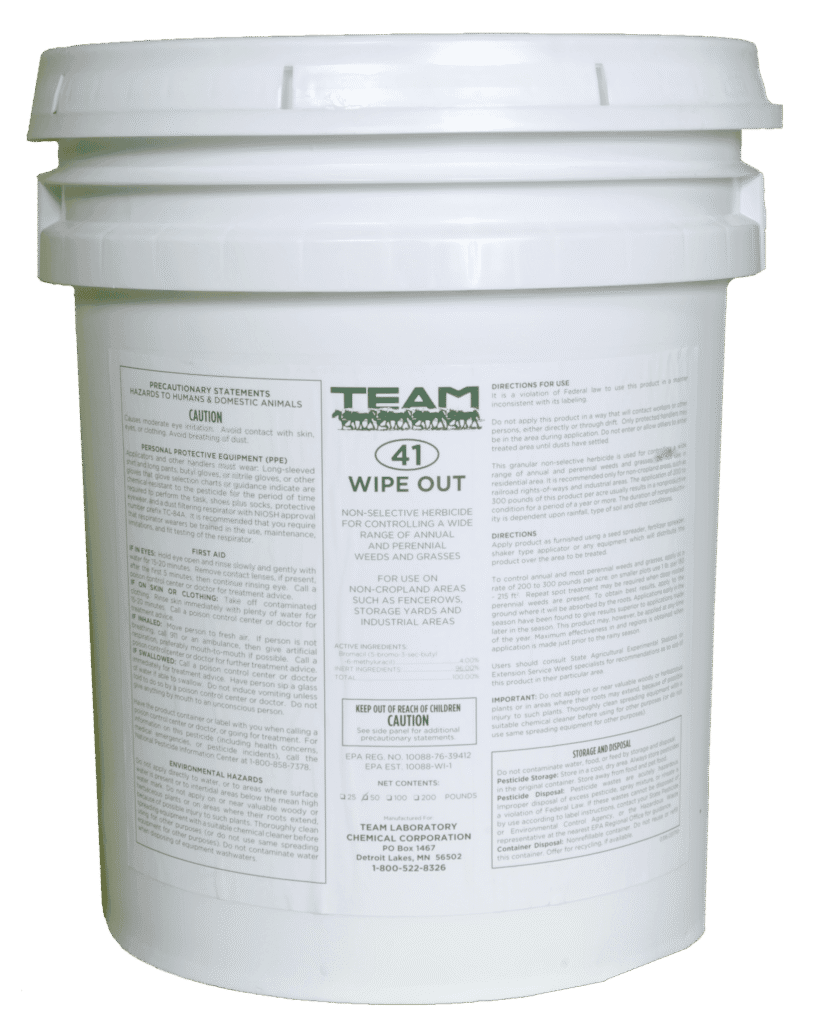
T41 • Wipe Out
Selective or non-selective?
Selective
Selective herbicides handle weed control in sensitive grassy areas. They take out the toughest broadleaf weeds in lawn and turf without harming the grass around them.
Non-selective
Non-selective herbicides produce bare ground where persistent vegetation is the problem. They clear tough perennial weeds and new growth and hold that ground for an extended period. Suited to ditches, fence rows, parking lots, patios, brick paths and railroad tracks.
Let’s pick the right product
How to think about a turf program
Pre-emergent vs post-emergent
Pre-emergents stop seeds like crabgrass from establishing and go down before germination. Post-emergents control weeds that are already up and actively growing. Most programs use both at different points in the season.
Selective vs bareground
Feeding for density
What the active ingredient does
2,4-D and 2,4-D salts. Mimics a growth hormone inside the plant, stimulating unusually rapid growth that strains its life support system to the point of death.
MCPP, 2,4-DP and 2,4-D. A group of systemic herbicides aimed at specific broadleaf weeds. Once absorbed, they kill by disrupting metabolic processes inside the plant.
Glyphosate. Enters the weed’s metabolism and inhibits growth. Systemic, so it kills the whole plant including roots and leaves. Becomes inactive on contact with soil.
Diquat dibromide. Disrupts photosynthesis once absorbed. A contact herbicide that clears surface vegetation, so replanting can happen soon after. Deactivates on contact with soil, and it can be used on aquatic weeds.
Bromacil. A residual herbicide acting as a soil sterilant, preventing vegetation for an extended period. Works slowly as moisture carries it to the root zone.
Prometon. Absorbed through root and foliage. A photosynthesis inhibitor that acts as a soil sterilant, controlling regrowth and new seedlings.

What each nutrient does
Nitrogen (N) drives top growth.
Phosphorus (P) drives root development.
Potassium (K) builds stiffness and hardiness in the plant.
Sulfur lowers and balances pH.
Iron produces deep green colour.
That is the frame a grounds crew uses to read an analysis like 24-5-10.
Why grounds crews work with Team Lab
Agronomy help comes with the program
We have supplied turf and grounds programs since 1977 and we help you match product, rate, and timing to your site and your climate.
Matched to your season
Northern turf has a narrow window. We help you time pre-emergent, feeding, and weed control so each application lands when it works.
Built to last between visits
One source for the program
FAQS
Grounds Maintenance - common questions
When should I apply pre-emergent in a northern climate?
Before soil temperatures rise enough for crabgrass to germinate, typically early spring. Your rep can help you read the window for your area, since a late application misses the target.
Can I use a bareground herbicide along a fence line near turf?
Yes, that is exactly what bareground products are for. Keep them off areas where you want anything to grow, and respect the buffer to nearby turf and roots.
How do I keep athletic field paint from harming the grass?
Use a paint formulated for living turf and follow the dilution rate. Field paints are designed to mark brightly without smothering or burning the grass.
Planning your season? Let us build the program with you.
Talk to the territory rep for your state. Tell them what you are working on and they will point you to the right product.